Permanent and temporary hair loss and thinning can be the result of a number of factors. From the onset of hereditary conditions and hormonal changes to the use of certain medications, therapy, hairstyles and beauty treatments to everyday stress, age and medical issues, there are a thousand and one reasons why you may be suffering from hair loss.
One cause that is often overlooked is poor nutrition. Like many parts of your body, your hair needs the right nutrients to stay in tip-top condition, and without them, hair texture and thickness can quickly fall flat.
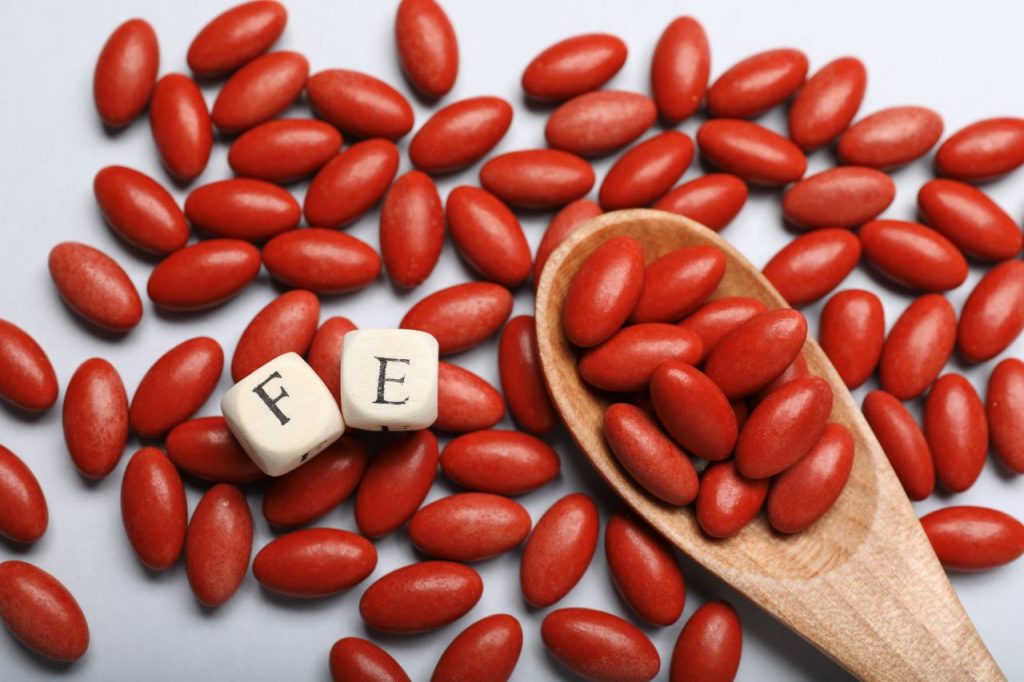
Iron is one such nutrient that can affect the condition and growth of your hair. Here we take a closer look at the impact low iron levels and, more specifically, anaemia can have on your hair.
Iron deficiency is extremely common worldwide. Research suggests that a whopping 80% of the world’s population doesn’t have sufficient iron, with 30% of those suffering from anaemia as a result of continued deficiency.
As the name suggests, iron deficiency anaemia is a medical condition caused by the lack of iron in the body. Here Mayo Clinic explains more about this widespread medical issue:
“Iron deficiency anemia is a common type of anemia — a condition in which blood lacks adequate healthy red blood cells. Red blood cells carry oxygen to the body’s tissues. As the name implies, iron deficiency anemia is due to insufficient iron. Without enough iron, your body can’t produce enough of a substance in red blood cells that enables them to carry oxygen (hemoglobin).”
Iron deficiency anaemia affects the body in several ways, making the condition rather easy to diagnose. Symptoms include fatigue, a general lack of energy, breathlessness, heart palpitations and a pale complexion. Less commonly, sufferers of iron deficiency anaemia will experience headaches, tinnitus, itchiness and ulcers. Iron deficiency anaemia even affects how things taste and could make them difficult to swallow.
If you have any of these symptoms, you should see your GP, who will diagnose iron deficiency anaemia with a simple blood test.
Iron is an essential nutrient that is well-known for promoting hair health and growth. Without sufficient stores of iron, hair follicles will weaken, healthy hair growth will be inhibited and strands will fall out.
The impact of iron deficiency on hair health is similar to that experienced by sufferers of female and male pattern baldness. At first, hair loss will present itself as increased hair shedding, meaning you may notice more strands on your hairbrush or in the shower.
Without treatment, iron deficiency hair loss can cause bald patches and more substantial loss or thinning.
As with many of the symptoms of iron deficiency anaemia, most cases of hair loss caused by insufficient iron are reversible.
There are a number of steps you can take to prevent iron deficiency hair loss or encourage regrowth. The first changes you should make are in your diet. By incorporating more iron-rich foods, you can increase your iron to healthier levels. You should also add foods and drinks that contain vitamin C to your diet. Vitamin C aids the absorption of iron.
Embracing protective styles, such as wearing your hair down more often or using one of our high-quality wigs for coverage, is another must for those looking to recover quickly. You should also avoid exposing your natural hair to chemicals, dyes and heat styling tools.
You can find more advice on eating your way to better hair health right here.
