There are over 70 different types of hormones within the human body, categorised as either amino acids, eicosanoids, peptides or steroids. Each hormone has a vital part to play, with everything from the way we sleep and maintain circadian rhythm to our blood pressure, heart rate, respiratory rate, metabolism and immunity governed by exactly the right balance.
When hormones become imbalanced however, your body and mind can bear the brunt. Hair loss is just one of the ways a hormonal imbalance can show itself. In this guide, we take a closer look at why a healthy hormone balance matters, the most common hormonal imbalances, and how to remedy associated hair loss and thinning.
The right balance of hormones is the key to maintaining health both mentally and physically. Your hormones, and the endocrine system that produce them, influence every bodily function as well as prompting behavioural, developmental and reproductive changes.
Ensuring that this essential mix of hormones is adequately balanced can actively support brain function, keep your body running smoothly, and preserve your overall mental, physical and emotional health.
While many hormonal imbalances are the result of stress, medication use, surgery (such as gastric bypass) or a specific medical condition (including polycystic ovary syndrome or PCOS), some imbalances are simply a part of life.
Puberty, pregnancy, breastfeeding and menopause are all natural changes that cause the fluctuation of hormones within the body.
As your body’s hormones have countless functions, the symptoms of a hormonal imbalance are extremely wide-ranging, a fact that means imbalances are often misdiagnosed.
In females, hormone imbalances can show themselves as unexpected weight gain, excessive sweating, low sex drive, fatigue, muscle mass loss, poor skin health (with acne, puffiness and hyperpigmentation common), bowel problems, hot flashes, and irregular or missed periods.
Your mental health could also be impacted by hormone imbalance as Biote details:
“Hormones regulate the processes within the body, including those in the brain, and even the slightest abnormality can have serious effects on our mental health. The mental symptoms of hormone imbalance include irritability and anxiousness, low mood, mood swings, mental fogginess, and more. Mental health is an important part of overall wellbeing and ignoring these symptoms may worsen the problem.”
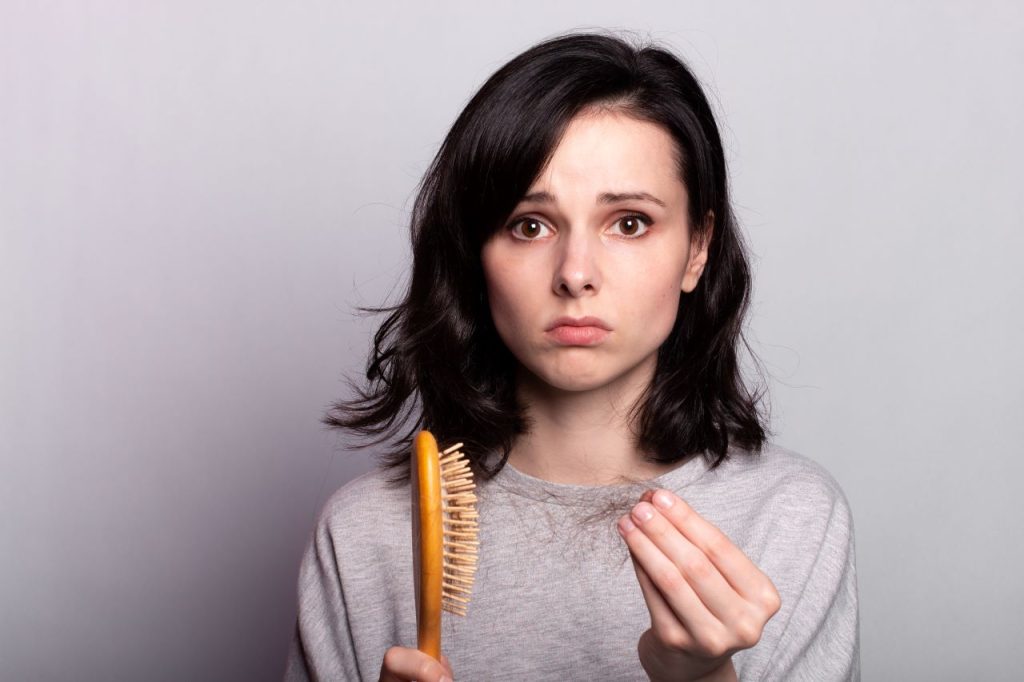
Unbeknown to most, a common symptom of hormonal imbalance is hair loss. Whilst some hair shedding is common, an imbalance can accelerate loss significantly.
Thyroid, adrenal gland and sex hormones all influence hair health in one way or another. Low thyroid function for instance is commonly associated with hair loss. Whilst the production of stress hormone, cortisol, in the adrenal glands can shift the body’s priorities, putting the maintenance of hair health last to preserve other, more important bodily functions.
There are several steps you can take to rebalance your hormones, whether the onset of hormone-related hair loss is the result of an illness, surgery, medication or a natural change.
Hormone replacement therapy (HRT) and hormonal birth control are commonly used by women with hormonal imbalance hair loss. Men experiencing hormone-related hair loss can use anti-androgen medications to remedy imbalances. These should however be used with caution as they can actually cause hair loss, thinning and acne.
Lifestyle changes have been found to offer more rewards than risks when compared with medication. Managing your weight with regular exercise, eating a healthy and balanced diet, making changes to care for your gut, and actively reducing your stress levels have all been linked to a healthier hormone balance and better hair growth.
