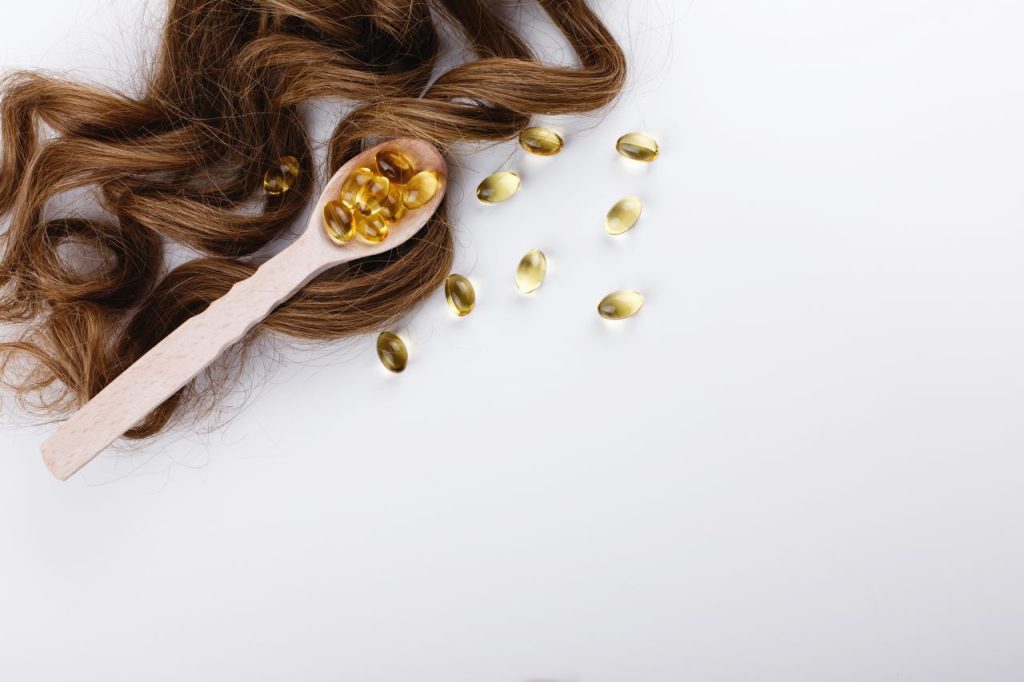
Eating your way to better hair health is possible. With the right mix of vitamins, minerals and nutrients, you can actively nourish your hair and scalp from within to ensure a healthier look and feel.
What you eat could also help to prevent hair loss, with the Mediterranean diet scientifically proven to boost growth as Healthline explains:
“A 2018 study revealed that a diet containing raw vegetables and fresh herbs, like the Mediterranean diet, may reduce the risk of androgenic alopecia (female pattern baldness or male pattern baldness) or slow its onset. Best results were observed when participants consumed high amounts of these foods — like parsley, basil, and salad greens — more than 3 days a week.”
So, which vitamins and minerals should be a part of your healthy eating regime to support hair and scalp health? In this blog post, we answer that very question.
Biotin is a vitamin that is well known for aiding hair growth, a fact that means it is infused in several hair products to ensure great care both inside and out.
As a water-soluble B vitamin, biotin encourages the transfer of carbon dioxide throughout the body as well as helping to process carbohydrates and fats. It also helps the body to absorb other vitamins and minerals, making them more effective and beneficial to health.
In addition to increasing the strength of hair from root to tip and boosting growth, biotin has been linked to reduced hair loss and the treatment of various hair loss conditions, including alopecia.
Folate, or folic acid, is another B vitamin that’s celebrated for its hair health boosting benefits. Used more commonly as a pregnancy vitamin, folic acid can counter some of the key causes of hair loss or poor growth, with hormonal changes just one of the areas where people can find balance through the intake of folic acid.
Folate is an excellent vitamin for promoting overall hair health, and could even leave your tresses looking fuller and feeling thicker.
Zinc is a nutrient that has been linked to hair tissue growth and repair. Zinc deficiency can result in hair shedding and breakages, but with the right levels accessible within the body and obtained through your diet, you can reduce the shed and limit damage to follicles.
With its powerful antioxidant properties, vitamin C is a force that can be used for good within the body. Its role in the synthesis of collagen – a protein that is integral to the formation of keratin which makes up your hair, skin and nails – makes vitamin C an essential for hair and scalp health.
Vitamin C also actively boosts the absorption of iron, another mineral that is integral to healthy hair and several other bodily functions.
Vitamin D is well known for its role in keeping bones, teeth and muscles as healthy as they can be. It also plays a key part in maintaining hair health. The vitamin D you receive from the sun however isn’t enough to keep those levels up, especially considering the great British weather!
Taking a vitamin D supplement or increasing your intake of vitamin D rich foods (such as fatty fish, fortified products, eggs, mushrooms and cod liver oil) is a must for quashing the risk of deficiency that is associated with hair loss.
