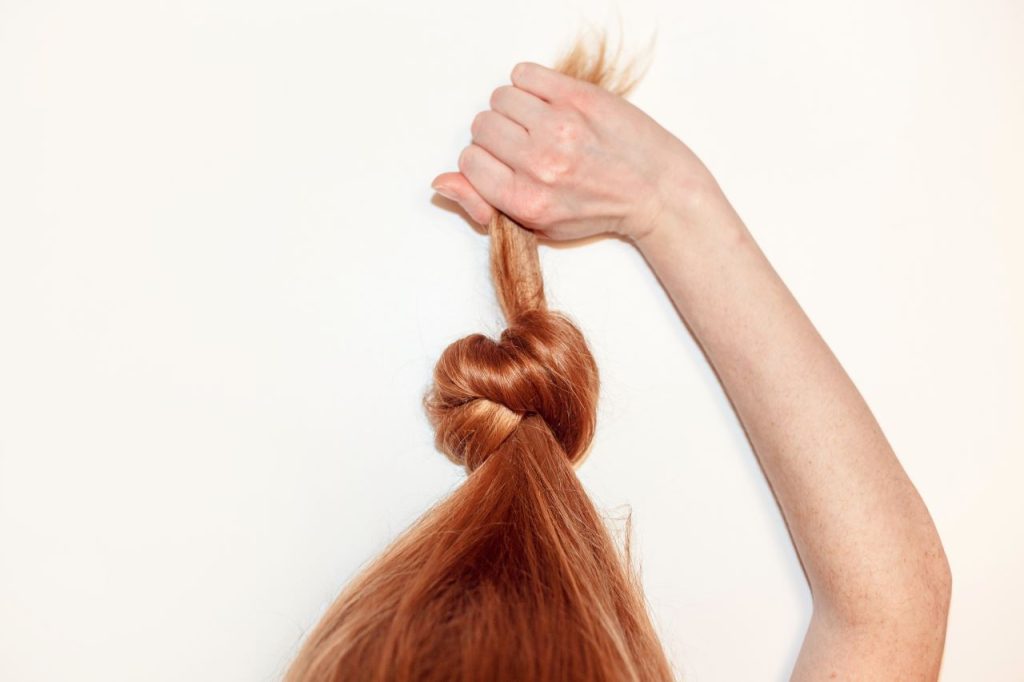
There are various conditions that result in the loss or thinning of hair. Unlike many hair loss conditions, trichotillomania is a mental disorder.
With the latest statistics revealing that just 3.4% of the world’s population suffer from trichotillomania, this hair loss condition seems like a drop in the ocean. But with more than 280 million people living with the condition, understanding trichotillomania and exploring its causes and treatment options is a must for countless individuals.
In this guide, we explore every aspect of trichotillomania to ensure those diagnosed, or yet to be diagnosed, have the information they need to start their journeys to recovery.
Also referred to as trich, TTM or hair-pulling disorder, trichotillomania triggers an overwhelming, obsessive-compulsive urge to pull out body hair. It’s particularly common between the ages of 18 and 35 but is known to affect individuals of all ages and from all backgrounds.
Sufferers don’t just target the hair on their heads; eyebrow hair, eyelashes, facial hair and pubic hair are commonly detached due to the condition.
Trichotillomania affects sufferers in varying degrees, with the vast majority pulling hair as a response to extreme stress. Others indulge in hair-pulling without any conscious thought, making it a tricky habit to resolve. What is common amongst people with trichotillomania is the intense feeling of relief they experience upon pulling hairs out.
Individuals with trichotillomania have bald patches of different shapes and sizes in the affected areas. Many also find that they target one side of the head or body more than the other. Trichotillomania can trigger difficult emotions, including shame and low self-esteem.
Whilst the underlying causes of trichotillomania are unknown, sufferers commonly experience stress, anxiety or hormonal level changes before or during hair-pulling episodes. Due to its symptoms, trichotillomania causes have been closely linked to those experienced by people with Obsessive Compulsive Disorder (OCD) as Trichstop explains:
“Because trichotillomania is considered to be a compulsory action, some experts feel that the disorder is closely linked to an overarching OCD issue. What’s more, because OCD has been thought to be linked to a chemical imbalance within the brain as brought on by various environmental and biological factors, it has been theorized that trichotillomania causes are also rooted in this lack of chemical balance.”
It may take months or even years to overcome trichotillomania, but it is treatable. There are several medications that are prescribed to trichotillomania sufferers, including antidepressants and antipsychotics. These have been used with varying, inconsistent results, however.
The best course of action for trichotillomania treatment is cognitive behavioural therapy (CBT). By increasing an individual’s awareness of their symptoms and triggers, they can take steps to stop or reduce their hair-pulling behaviour as well as introduce new coping strategies to deal with underlying emotions.
Many therapists recommend keeping a diary to record hair-pulling episodes. These insights can then be used to identify triggers and highlight the tell-tale signs of when hair pulling is imminent.
Replacing hair pulling with another behaviour – such as squeezing a stress ball, using a fidget toy or repeating a calming phrase until the urge passes – is another method relied on by recovering trichotillomania sufferers. Physical interventions, like wearing a tight hat, adhering plasters to the ends of the fingers, or sporting shorter hairstyles, have also proven useful to people with trichotillomania. A wig can also provide essential coverage while you recover from trichotillomania and prevent you from pulling hair from the scalp. Discover the wig style and shape that’ll suit you as you negotiate trichotillomania treatment by shopping with us today.
